An Uncertain Future For an American Staple of Arts & Humanities: The Legacy and Turmoil of the Kennedy Center
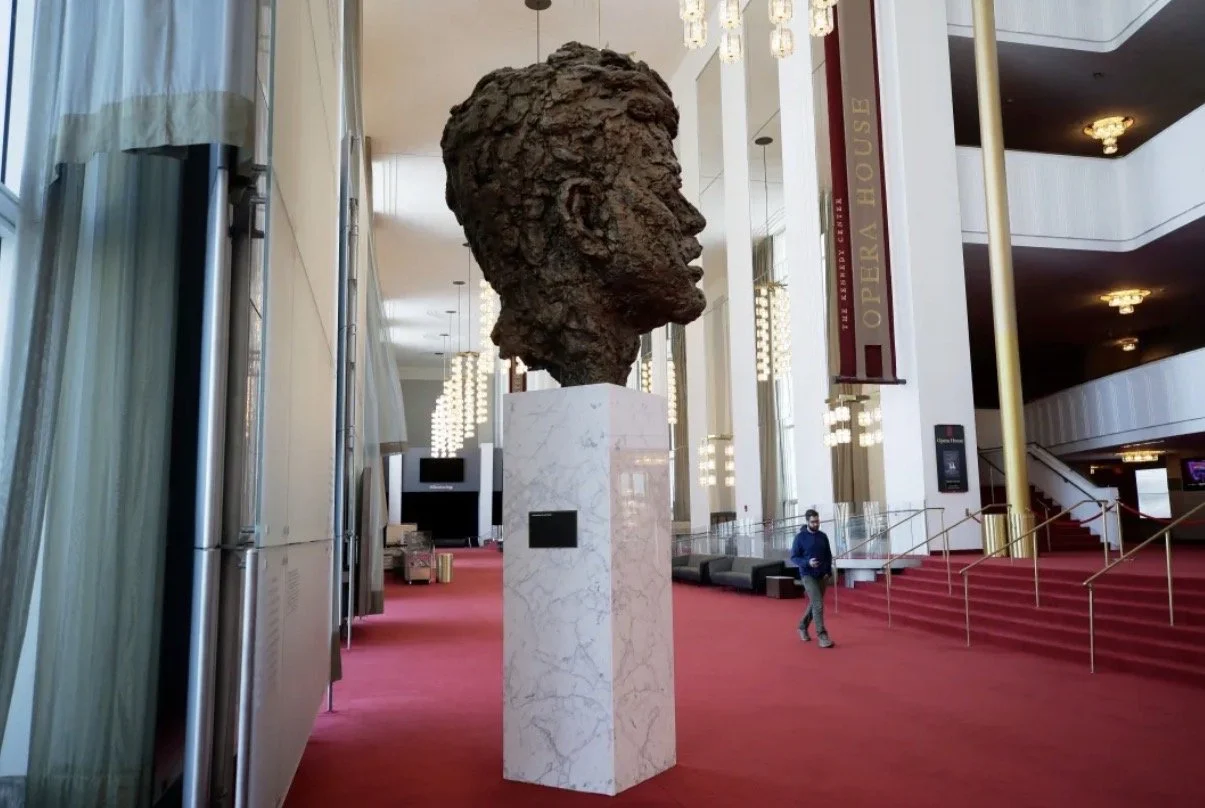
The John F. Kennedy Center for the Performing Arts, long regarded as the "living memorial" to the 35th president, is currently weathering one of the most turbulent periods in its 55-year history. What began as a bipartisan dream to elevate American culture into the global spotlight has recently devolved into a fierce debate over political branding, institutional funding, and the very identity of the nation’s premier arts venue.
A Vision of Culture: The Creation of a National Treasure
The origins of the Center date back to 1958, when President Dwight D. Eisenhower signed the National Cultural Center Act. The goal was to establish a venue in Washington, D.C., that could rival the great opera houses of Europe. However, it was the Kennedy administration that provided the necessary momentum. President Kennedy and First Lady Jacqueline Kennedy were staunch advocates for the arts, viewing them as essential to a thriving democracy.
Following the president's assassination in 1963, Congress designated the unfinished project as his official memorial. In 1971, the Center finally opened its doors with the world premiere of Leonard Bernstein’s Mass. Since then, it has become a staple of American humanities, hosting more than 2,000 performances annually and serving as the home of the National Symphony Orchestra and the Washington National Opera.
The Kennedy Center Honors: A Half-Century of Excellence
A cornerstone of the Center’s cultural impact is the Kennedy Center Honors, which debuted in 1978. These annual awards recognize individuals who have made lifelong contributions to American culture through the performing arts.Historical highlights include:
The Inaugural Class (1978): Honorees included Marian Anderson, Fred Astaire, and Richard Rodgers.
A Presidential Tradition: For decades, sitting presidents have hosted the honorees at the White House, reinforcing the link between the executive branch and the arts.
Iconic Moments: From Aretha Franklin’s soul-stirring tribute to Carole King to the 2018 special honor for the creators of Hamilton, the event has consistently celebrated the diversity of American genius.
The Kennedy Family: Guardians of the Legacy
Throughout the years, the Kennedy family has remained deeply entwined with the institution. Eunice Kennedy Shriver and Senator Edward M. Kennedy were frequent fixtures at the Center, and Caroline Kennedy served as the host of the Honors gala for nearly a decade. The family has viewed the Center not just as a theater, but as a preservation of JFK's belief that "the life of the arts is very close to the center of a nation's purpose."
Recent Developments and the "Trump-Kennedy" Rebranding
In late 2025, the Center’s landscape shifted dramatically. Following a reshuffling of the Board of Trustees by President Donald Trump, the board voted to rename the institution the Trump-Kennedy Center for the Performing Arts.Proponents, including Board President Richard Grenell, argued the change recognized Trump’s efforts to "save" the building from financial ruin and physical decay.
However, the move sparked immediate public outcry and legal challenges. Critics, including members of the Kennedy family like Maria Shriver, argued that the rebranding violated federal law, which designates the Center specifically as a memorial to JFK.
Funding Issues and Artistic Backlash
The controversy has triggered a significant financial crisis. While the Center relies on federal appropriations for maintenance, 80% of its operating budget comes from ticket sales and private donations.
Artist Withdrawals: Since the leadership changes and rebranding, major performances and production companies have begun backing away from the venue in protest.
Declining Revenue: Recent data shows a sharp decline in theater subscriptions and ticket sales, with some reports indicating nearly 43% of tickets for standard productions remained unsold in late 2025.
The Two-Year Closure: Citing "dilapidated" conditions, President Trump announced the Center would close for a massive, $200 million renovation starting July 4, 2026.
While the administration frames the closure as a necessary revitalization for the nation's 250th anniversary, skeptics view it as a way to "reboot" the institution amid the wave of cancellations. As the Center prepares for this hiatus, the future of its funding and its standing as a non-partisan cultural sanctuary remains uncertain.
