A Night of History and Resistance: The 2026 Grammy Awards
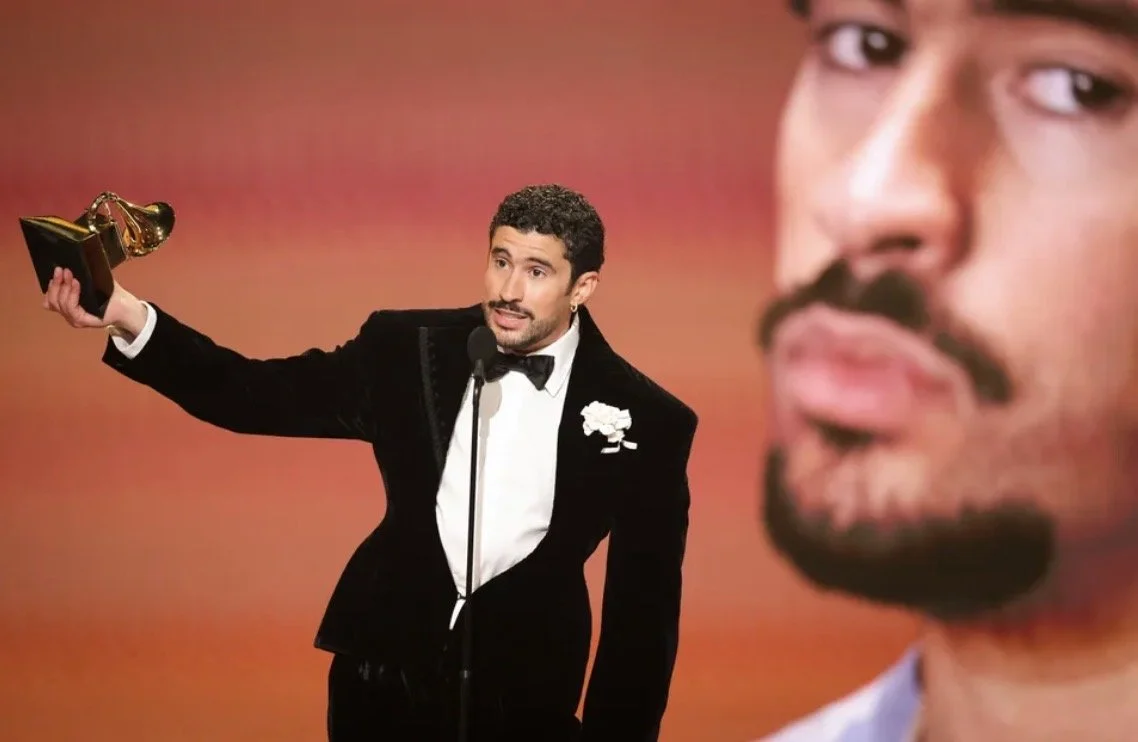
The 68th Annual Grammy Awards, held on February 1, 2026, at the Crypto.com Arena in Los Angeles, was a night where the Recording Academy finally seemed to catch up with the pulse of global culture. Hosted for the sixth time by a sardonic yet celebratory Trevor Noah, the evening was defined by high-concept performances, a massive shift in the record books, and acceptance speeches that pulled no punches regarding the political climate of the year.
The Big Wins and Historical Milestones
The night’s biggest headline was undoubtedly Bad Bunny, who made history when his project Debí Tirar Más Fotosbecame the first primarily Spanish-language album to win Album of the Year. It was a long-overdue "flowers" moment for the global superstar, who also took home Best Música Urbana Album.
Meanwhile, Kendrick Lamar solidified his status as the definitive titan of his generation. By winning five awards—including Record of the Year for "Luther" (with SZA) and Best Rap Album for GNX—Kendrick brought his career total to 27 Grammys, officially surpassing Jay-Z as the most-awarded rapper in history. In a lighter moment that quickly went viral, Cher accidentally fueled the nostalgia when she fumbled the announcement for Record of the Year, mistakenly implying the award was for the late Luther Vandross rather than the song "Luther."
Other major trophies went to Billie Eilish, who won Song of the Year for the haunting "Wildflower," and Olivia Dean, who was crowned Best New Artist. Additionally, legendary filmmaker Steven Spielberg achieved EGOT status during the Premiere Ceremony, winning Best Music Film for his John Williams documentary.
Standout Performances
The show opened with a high-energy, rock-infused performance of "APT." by ROSÉ and Bruno Mars, signaling a night that would blend genres effortlessly. Sabrina Carpenter delivered a theatrical rendition of "Manchild" while dressed as a pilot, but the emotional centerpiece was the Fugees reunion. Lauryn Hill and Wyclef Jean took the stage for a soul masterclass, paying tribute to D'Angelo and Roberta Flack with a rendition of "Killing Me Softly" that brought the entire arena to its feet. Tyler, the Creator also stunned the crowd with a gritty, high-concept mashup of "Thought I Was Dead" and "Sugar On My Tongue," proving why he remains one of music's most vital visualists.
Cultural Significance: Black Artists and Women of Color
The 2026 ceremony felt like a genuine turning point for representation. Beyond Kendrick and SZA’s dominance, Kehlani finally secured her first Grammy wins for Best R&B Performance and Best R&B Song, a moment met with a roar of approval. Doechii’s win for Best Music Video ("Anxiety") and Leon Thomas’s Best R&B Album win for Mutthighlighted a new guard of Black excellence that refuses to be pigeonholed.
The cultural impact of these wins lies in the Academy’s movement away from "segregating" Black and Brown artists into genre-specific silos. Seeing Bad Bunny take the top prize and Kendrick rewrite the history books signals a reality where non-English and Hip-Hop-rooted art is recognized as the definitive "pop" of the era.
Music as a Manifesto: Social Issues
The 2026 Grammys will also be remembered for its political edge. The red carpet was a sea of "ICE Out" pins, a silent protest against ongoing immigration enforcement policies. This sentiment boiled over on stage; Billie Eilish used her Song of the Year speech to declare, "No one is illegal on stolen land," followed by a blunt "F*** ICE" that was bleeped by CBS. Bad Bunny echoed this during his AOTY speech, urging for love over hate and humanizing the immigrant experience. Even Laufey, while accepting Best Traditional Pop Vocal Album, used her platform to advocate for the necessity of arts education in a fractured society.
From the first beat of the night to the final historic trophy, the 2026 Grammys proved that while the industry is still evolving, the artists themselves are more ready than ever to lead the way.
