Siege in the Twin Cities: The Rising Tide Against ICE in Minnesota
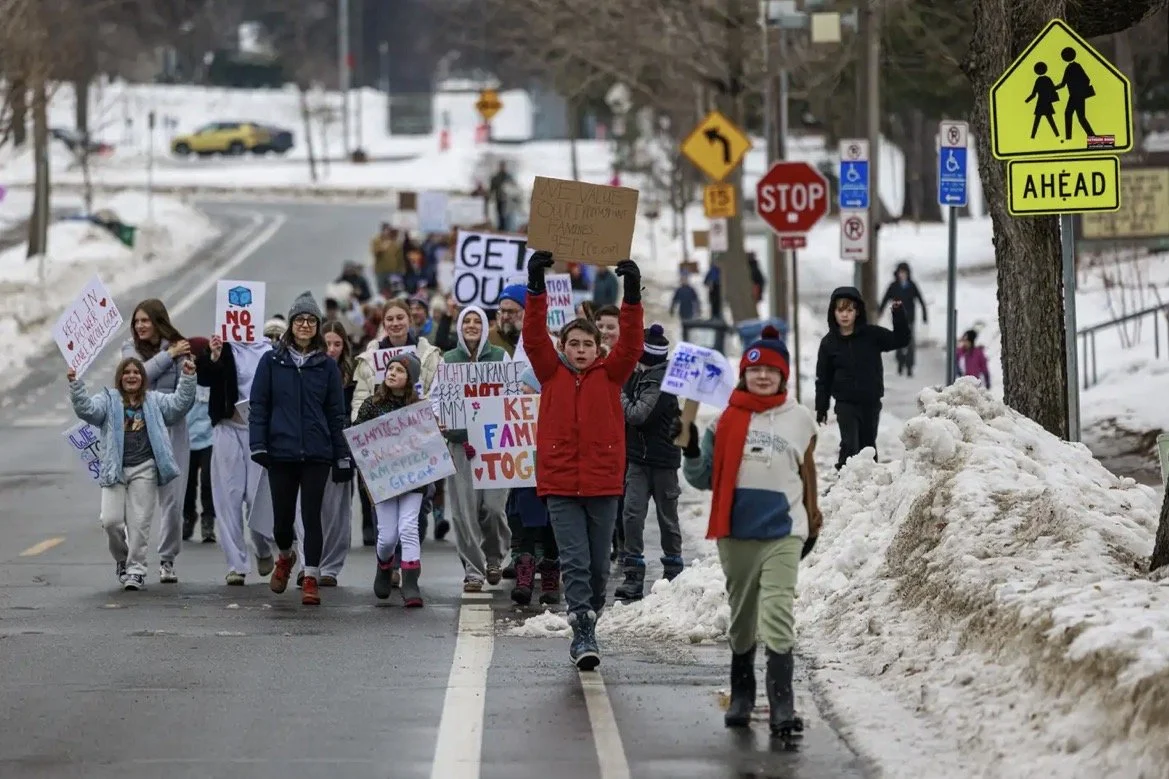
The bitter chill of a Minnesota winter has done little to cool the boiling tensions in the Twin Cities. As of February 2026, Minneapolis and Saint Paul have become the flashpoint of a national reckoning over federal power, immigration enforcement, and the sanctity of civil liberties. What began as "Operation Metro Surge"—a massive deployment of federal agents by the Department of Homeland Security (DHS)—has spiraled into a humanitarian and constitutional crisis that has left the nation reeling.
The Fatalities That Ignited a Movement
The current unrest is anchored in the tragic and high-profile killings of two U.S. citizens at the hands of federal agents. On January 7, 2026, Renée Nicole Macklin Good, a 35-year-old mother, was fatally shot by an ICE officer while she was observing an enforcement action in Minneapolis. Video evidence suggests the shooting was unprovoked, sparking immediate outrage when it was revealed that officers allegedly prevented a physician on the scene from administering CPR.
Just two weeks later, on January 24, the situation escalated further with the death of Alex Jeffrey Pretti, a 37-year-old ICU nurse. Pretti, who held a legal permit to carry, was reportedly disarmed and restrained by agents during a protest before being shot multiple times. These killings have transformed the local debate into a national outcry, with many viewing the deaths not as "accidents" of enforcement, but as the inevitable result of a militarized federal presence in civilian spaces.
Resistance on the Streets: A State in Revolt
Minnesota’s response has been unprecedented. On January 23, the state witnessed a massive "General Strike," described by organizers as an "economic blackout" for truth and freedom. Despite subzero temperatures reaching -20°F, an estimated 50,000 people marched from U.S. Bank Stadium to the Target Center, demanding the immediate withdrawal of federal forces.
The protests have been deeply intersectional. Just this week, Indigenous clergy and activists led the "Not On Native Land" rally at the Bishop Henry Whipple Federal Building, serving ICE a symbolic "eviction notice." For many Minnesotans, the presence of masked, unidentified agents patrolling schools and grocery stores feels less like law enforcement and more like an "occupation."
The Political and Legal Battlefront
The friction between state and federal authorities has reached a breaking point:
Democratic Leaders: Governor Tim Walz has been scathing, famously referring to the federal tactics as those of a "modern-day Gestapo." Attorney General Keith Ellison, alongside the mayors of Minneapolis and Saint Paul, has filed a landmark federal lawsuit (Minnesota and Cities v. DHS). The suit argues that the surge violates the 10th Amendment, alleging the federal government is "commandeering" local resources and coercing the state to abandon its "sanctuary" policies.
The Republican/White House Response: The White House remains defiant. "Border Czar" Tom Homan recently announced a drawdown of 700 agents, but reaffirmed that 2,000 will remain, stating, "You're not going to stop ICE." DHS Secretary Kristi Noem has doubled down, blaming "sanctuary politicians" for creating a dangerous environment and citing a sharp increase in assaults against federal officers.
The Legislative Standoff: In Washington, Congressional Democrats, led by Chuck Schumer and Hakeem Jeffries, are currently withholding DHS funding, demanding strict reforms including body cameras, the removal of masks for agents, and a ban on operations at "sensitive locations" like schools and churches.
A Larger Crisis of Authority
Beyond the immediate headlines, Minnesota has become a case study for a larger social justice issue: the abuse of government power. Legal advocates from the ACLU have filed additional suits (Hussen v. Noem), documenting widespread racial profiling where U.S. citizens were detained simply for their "accents" or "perceived ethnicity."
The crisis raises fundamental questions about the limits of federal authority within a state’s borders. When federal agents operate without warrants, stage raids in school parking lots, and use lethal force against citizens observing their actions, the line between "public safety" and "state-sanctioned terror" becomes dangerously blurred.
The National Outcry
The "Minnesota Model" of resistance has set social media ablaze. Hashtags like #ShutDownICE and #JusticeForReneehave trended globally, with solidarity vigils held in cities from Los Angeles to Birmingham. Digital activists have used these platforms to document "Operation Metro Surge" in real-time, bypassing traditional media to show the raw reality of the Twin Cities' streets.
The message from the North Star State is clear: the current trajectory is unsustainable. As the legal cases wind their way through the courts, the people of Minnesota continue to stand in the cold, insisting that the price of "enforcement" cannot be the blood of their neighbors or the loss of their constitutional rights.
