White House Attempts To Deny Posting Racist AI Video Of The Obamas
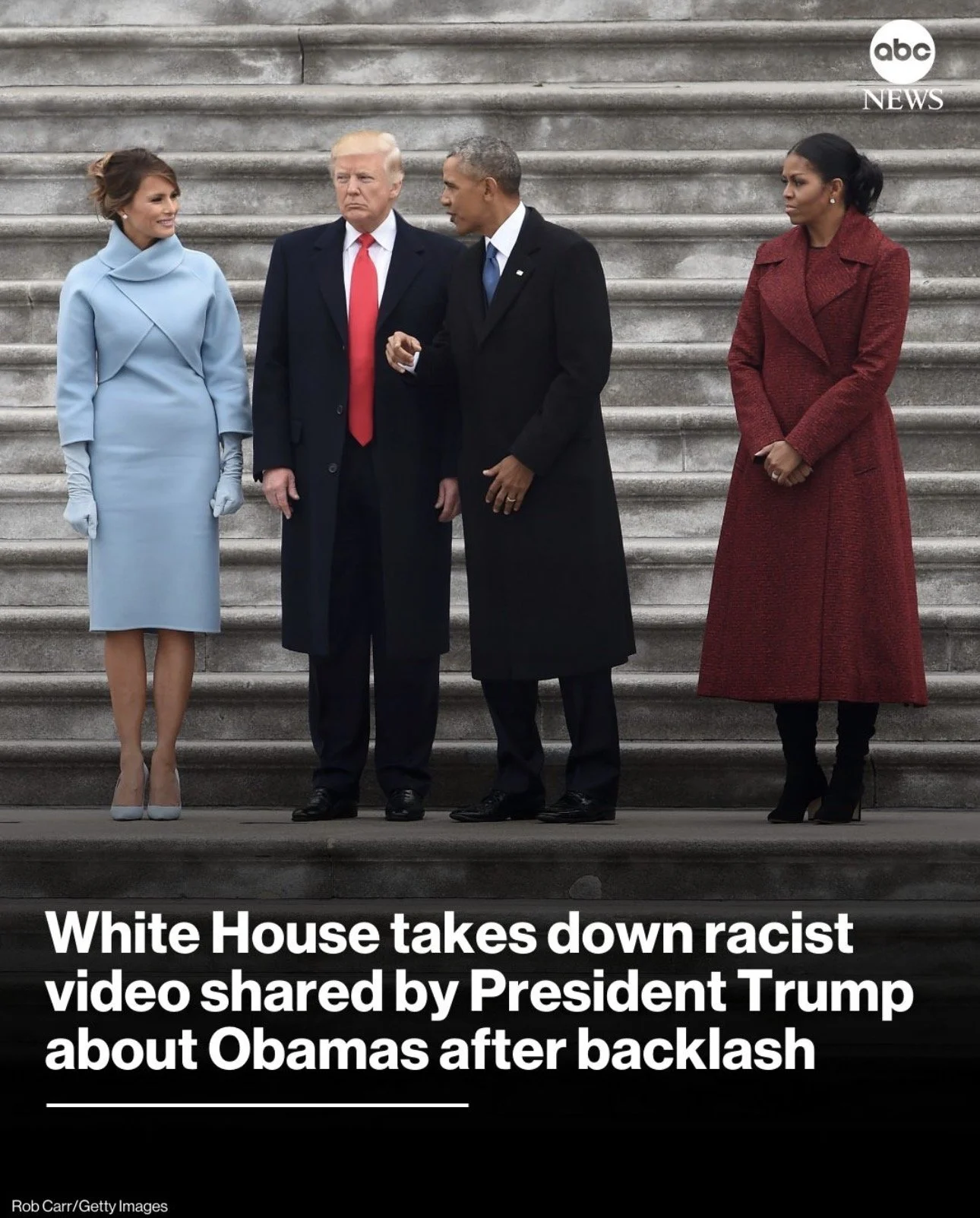
In early February 2026, a social media firestorm erupted when an AI-generated video was shared on President Donald Trump’s Truth Social account, sparking a national debate over digital ethics and racial dehumanization. The footage, which primarily focused on 2020 election conspiracy theories, featured a jarring clip near its conclusion: the faces of former President Barack Obama and First Lady Michelle Obama superimposed onto the bodies of apes.
The Public Outcry and Historical Context
The backlash was instantaneous and visceral. Civil rights organizations, including the NAACP, condemned the video as "blatantly racist, disgusting, and utterly despicable." Historians and cultural critics quickly pointed out that the depiction of Black people as primates is one of the oldest and most malicious racist tropes in American history, traditionally used to justify dehumanization and violence. For many, seeing this imagery broadcast from the office of the President was not just an insult to the Obamas, but a profound stain on the dignity of the White House.
The "Lion King" Defense
The White House’s initial response only fueled the flames. Press Secretary Karoline Leavitt dismissed the criticism as "fake outrage." She defended the content by framing it as a lighthearted internet meme, claiming the video depicted President Trump as the "King of the Jungle" and various Democrats as characters from The Lion King.
"Please stop the fake outrage and report on something today that actually matters to the American public," Leavitt stated.
However, critics were quick to note that Disney's The Lion King features no apes or gorillas, and the "meme" specifically targeted the nation's first Black president with a trope that has no place in a children's film allegory.
A Surprising Bipartisan Rebuke
While Democrats were expectedly vocal, the most surprising aspect of the controversy was the wave of condemnation from high-ranking Republicans. Many GOP leaders, who typically avoid public clashes with the President, felt the video crossed a moral red line.
Senator Tim Scott (R-SC): The most prominent voice, Scott called it "the most racist thing I’ve seen out of this White House" and stated he was "praying it was fake."
Senator Pete Ricketts (R-NE): Stated that any "reasonable person sees the racist context" regardless of the "Lion King" excuse.
Representative Mike Lawler (R-NY): Called the post "wrong and incredibly offensive" and demanded an apology.
Senator Roger Wicker (R-MS): Described the imagery as "totally unacceptable."
Senator Katie Britt (R-AL): Noted the video was "not who we are as a nation."
Representative John James (R-MI): Expressed he was "shocked and appalled" by the content.
On the Democratic side, House Minority Leader Hakeem Jeffries called Trump a "malignant bottom feeder," while Governor Gavin Newsom and Representative Raja Krishnamoorthi blasted the video as "Jim Crow-style dehumanization."
Shifting Blame
As the pressure mounted, the administration’s narrative shifted. The White House eventually deleted the post, attributing it to an "unknown staffer" who had allegedly posted the clip erroneously. President Trump later echoed this during comments on Air Force One, claiming he had only watched the beginning of the video—which focused on voter fraud—and "didn't see the whole thing." Despite the bipartisan calls for a formal apology, Trump refused, maintaining that he had not made a mistake and that he is the "least racist person.
A Larger Pattern
This incident has reignited a broader conversation about the Trump Administration’s relationship with race. Critics argue that the "staffer error" defense is a recurring shield for a pattern of inflammatory behavior, citing previous rhetoric regarding "shithole countries" and the verbal targeting of minority lawmakers like Rep. Ilhan Omar. As AI technology makes the creation of such content easier, the episode serves as a sobering reminder of how digital tools can be weaponized to revive historical prejudices at the highest levels of government.
