A Life of Duty: Robert Mueller III, FBI Transformer and Marine Veteran, Dies at 81
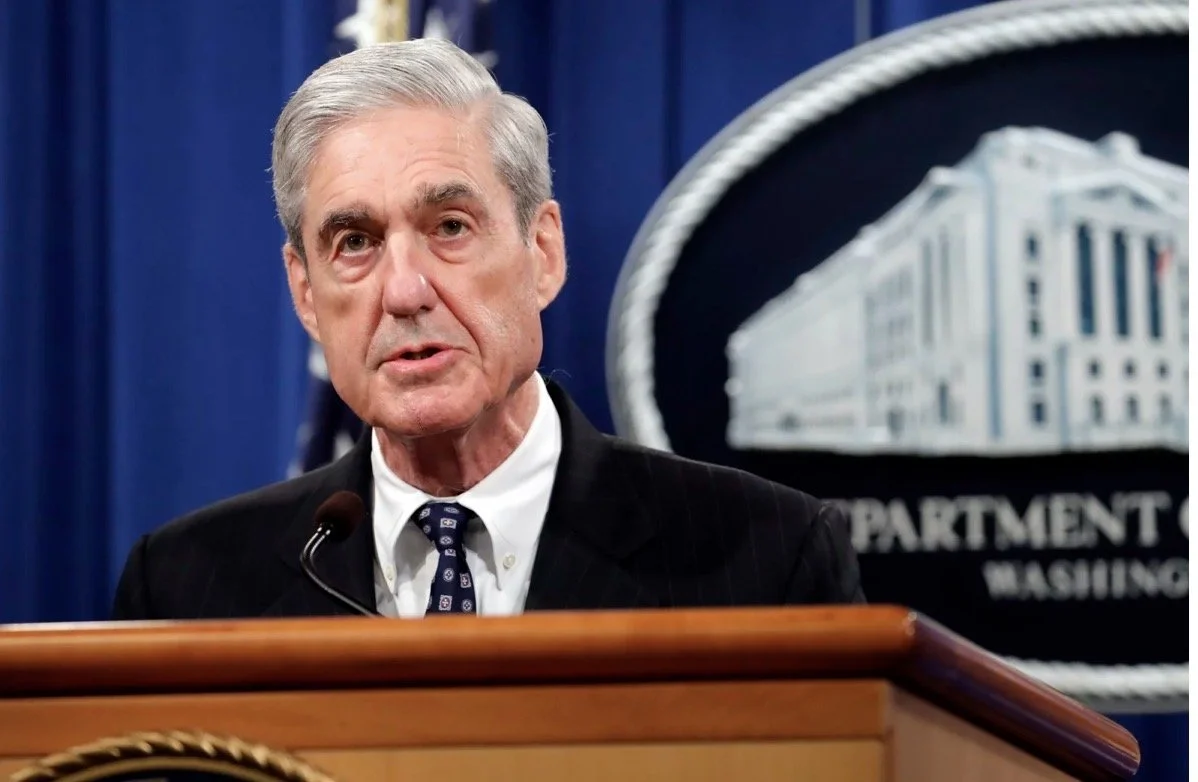
Robert Mueller III, the decorated Marine, former prosecutor, and long-serving FBI director who became a central figure in American politics, passed away on Tuesday at the age of 81. He died at his home in Massachusetts.
Mueller's long and distinguished career spanned decades, marked by a commitment to public service and a steadfast adherence to the rule of law. His time as FBI Director from 2001 to 2013, the second-longest tenure in the bureau's history after J. Edgar Hoover, cemented his legacy as one of the most consequential figures in modern law enforcement. He served under both Republican and Democratic presidents, showcasing a dedication to impartiality.
His professional history began far from the hallowed halls of justice. Mueller served in the United States Marine Corps during the Vietnam War, earning a Bronze Star, a Purple Heart, and other decorations for his bravery on the battlefield. This early experience profoundly shaped his perspective, instilling a deep sense of duty and sacrifice that he carried throughout his life.
Following his military service, Mueller pursued a career in law, eventually rising through the ranks of the Department of Justice. He served as a federal prosecutor in San Francisco and Boston before becoming the Assistant Attorney General for the Criminal Division. He also briefly served as the U.S. Attorney for the Northern District of California.
Mueller's time as FBI director was defined by unprecedented challenges. Just days after he took office, the September 11, 2001 terrorist attacks shook the nation to its core. In the aftermath, Mueller transformed the FBI, shifting its primary focus from traditional criminal investigations to counterterrorism. He spearheaded efforts to improve intelligence-sharing and modernize the bureau's technological capabilities, an evolution that drew both praise for enhanced security and criticism for potential privacy infringements.
Despite his multifaceted career, Mueller is perhaps most widely recognized for his role as Special Counsel in the investigation into Russian interference in the 2016 presidential election. The Mueller Report, published in 2019, detailed extensive efforts by Russia to disrupt the election and documented contacts between the Trump campaign and Russian individuals. While the report did not establish a criminal conspiracy, it significantly detailed instances where then-President Donald Trump may have obstructed justice.
The investigation propelled Mueller into the harsh spotlight of political divisiveness, drawing intense scrutiny from both sides of the political aisle. However, Mueller remained steadfastly composed throughout the process, exemplifying the unwavering commitment to impartiality that had defined his career.
Following the investigation, Mueller did offer rare public commentary, subtly criticizing Trump's actions. In 2019, he stated that if his team had had confidence that Trump clearly did not commit a crime, they would have said so. This statement, while carefully worded, was seen by many as a powerful counterpoint to Trump's frequent claims of total exoneration.
Tributes have poured in from political leaders across the spectrum, reflecting the profound respect Mueller commanded. President Barack Obama, who oversaw the latter half of Mueller's FBI tenure, released a statement praising his service: "Bob Mueller was a public servant in the truest sense of the word—a hero who fought for our country and spent his life defending the rule of law. We are a stronger, safer nation because of his service."
Former Attorney General Eric Holder, who worked closely with Mueller, remembered him as a man of profound integrity: "Bob Mueller was a patriot, a legendary lawman, and a truly good man. His commitment to the rule of law was unwavering, and his contributions to our nation are immeasurable."
Mueller's legacy is one of unwavering service and a deep belief in the principles that underpin American democracy. His life's work, from the battlefields of Vietnam to the complex investigations of the FBI, serves as a testament to the enduring power of duty and honor. While his name will forever be associated with some of the most tumultuous moments in modern American history, his dedication to justice and the rule of law will remain his most lasting and meaningful contribution.
